Remodeling Contractor Insights: How to Secure a Smooth and Successful Renovation
Navigating a home renovation can be challenging. Property owners often face surprising challenges that can create difficulties. Selecting the right home improvement contractor is critical for steering clear of typical errors. Well-defined goals and open dialogue can make a substantial change. Yet, many miss essential steps that can lead to setbacks and complications. Understanding these key insights can help streamline the journey access resource and guarantee a positive result. How can homeowners best prepare for these challenges?
Understanding the Role of a Remodeling Contractor
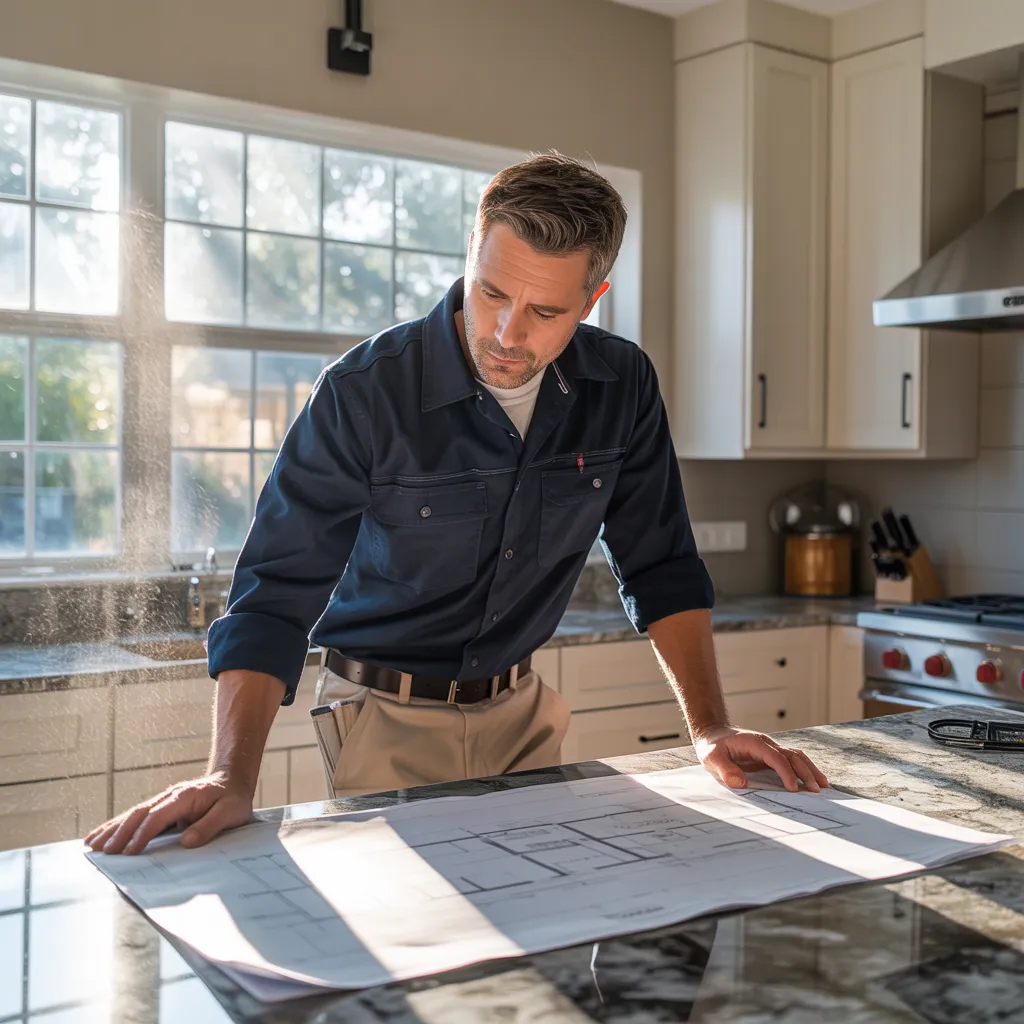
A renovation contractor orchestrates the multifaceted process of home renovations, guaranteeing that work proceeds seamlessly from start to finish. This expert functions as the central figure in managing various tasks, from initial planning to the completion of the project. They demonstrate a thorough grasp of construction techniques, materials, and local building codes, which allows them to reach informed decisions that influence project outcomes.
The contractor takes charge of supervising subcontractors, planning work timelines, and controlling the budget. They also serve as a link between clients and tradespeople, resolving issues and delivering updates during the renovation process. Effective communication is essential, since it allows the client's goals to be matched with real-world execution. By balancing timelines and quality, the remodeling contractor minimizes disruptions and enhances overall efficiency. At the core, their knowledge and direction are key to turning a client's remodeling aspirations into tangible results while ensuring a commitment to safety and industry standards.
How to Set Clear Expectations for Your Project
Defining clear expectations is vital for the achievement of any home improvement project. Homeowners are advised to start by clarifying their goals and expected outcomes, making sure all involved parties are aware of the scope of work. Detailed project descriptions help prevent misunderstandings later on. Setting a practical budget is equally important; it must incorporate provisions for any unanticipated expenditures.
Homeowners must convey their project timelines, such as start and finish dates, which supports the synchronization of contractor timetables. Reviewing the specific materials required and their accessibility can help define the project's scope more clearly. Frequent communication can aid in handling concerns as they arise, reinforcing a collaborative atmosphere.
Ultimately, recording all decisions and agreements can provide a reference point throughout the project, minimizing disputes. By establishing these clear guidelines, property owners can encourage a more streamlined and productive renovation process, making sure the end results match their original vision.
The Role of Effective Communication
Strong communication functions as the foundation of every successful renovation project, ensuring that all parties involved stay aligned from start to finish. It encourages openness, enabling all parties to share their needs, ideas, and concerns without hesitation. When communication is clear and consistent, misinterpretations can be avoided, ultimately preventing expensive setbacks and revisions.
Contractors can take advantage of regular updates, helping them to adapt schedules and resources accordingly. Homeowners, meanwhile, receive peace of mind through frequent check-ins, remaining more engaged and up to date. Strong communication further builds trust, a fundamental aspect for a mutually beneficial working partnership.
Using different means of communication, such as phone calls, in-person meetings, and emails, helps accommodate individual preferences and ensure that important details is conveyed promptly. Ultimately, focusing on effective communication not only elevates the remodeling experience but also supports reaching the intended results efficiently and satisfactorily.
Key Questions to Ask When Selecting the Right Contractor?
What steps can homeowners take to ensure they choose a trustworthy remodeling contractor? To ensure they are making the right selection, they should commence by raising important inquiries. Homeowners should inquire about the contractor's experience and expertise in specific renovations, verifying that the professional holds the appropriate competencies for the job being considered. It is also essential to ask for references and examples of past work to gauge quality and reliability.
Homeowners ought to confirm the contractor's licensing and insurance status, verifying their adherence to local rules and standards. Additionally, discussing the expected timeline and contractor availability helps set realistic expectations. Asking about subcontractors and their qualifications can also reveal the level of professionalism expected throughout the process.
Finally, homeowners ought to ask for a transparent payment plan and inquire about warranties for both materials and workmanship. By asking these important questions, property owners can more effectively evaluate prospective contractors and ultimately select the best match for their remodeling project.
Assessing Contractor Proposals
When reviewing contractor proposals, it is crucial to examine cost structures to guarantee budgetary consistency. Additionally, reviewing project deadlines helps in evaluating the feasibility of each contractor's plan. This methodical process assists in making well-informed choices that can considerably influence the remodeling project.
Evaluate Pricing Options
Although comparing pricing structures can seem intimidating, it is essential for homeowners to thoroughly review contractor proposals to ensure they get the greatest return on their investment. Various contractors may offer different pricing structures, such as flat-rate pricing, time-based billing, or cost-plus contracts. Homeowners ought to evaluate not just the overall price but also the specifics of each proposal. As an example, certain estimates may bundle materials and labor together, whereas others may itemize them individually, resulting in unforeseen costs down the line. Furthermore, reviewing payment timelines and conditions can uncover possible financial concerns. Through grasping these details, homeowners can make well-informed choices and choose a contractor whose pricing model suits their budget and project goals.
Review Project Timelines
Evaluating renovation timelines is essential for homeowners who want clear information in contractor bids, as delays can greatly impact budgets and expectations. A thorough review of suggested schedules allows homeowners to identify likely obstacles and guarantee that contractors have realistic schedules. Homeowners should compare the projected beginning and end dates across several bids, carefully considering the individual stages of the work. It is advisable to inquire concerning the contractor's plan for handling unexpected setbacks, such as environmental factors or logistical challenges. Transparent dialogue about project benchmarks can encourage reliability and clarity. By grasping the projected timeframe, homeowners can more accurately set their goals and get ready for any changes necessary throughout the remodeling journey, ultimately leading to a smoother experience.
How to Stay on Track With Your Renovation
Remaining on schedule during a renovation can significantly affect the general outcome of the project. To keep things moving, transparent dialogue between the homeowner and contractor is vital. Setting up a thorough timeline with specific milestones helps everyone maintain accountability. Consistent meetings can identify possible setbacks early on, ensuring that problems are handled quickly.
Moreover, preparing for unexpected setbacks, such as interruptions to the supply chain or weather-related setbacks, allows for increased flexibility in scheduling. Homeowners must also confirm that decisions regarding materials and aesthetic decisions are finalized beforehand to minimize last-minute adjustments that can derail progress.
In conclusion, hiring a trustworthy contractor with a proven track record can considerably increase the potential of meeting deadlines. A professionally managed team, possessing the necessary tools and materials, will coordinate work seamlessly, limiting interruptions and maintaining project momentum. Careful coordination and preventive administration are critical factors in reaching a prompt project conclusion.
Typical Remodeling Errors With Contractors
Successful renovations require not only proper time management but also an understanding of common challenges that can emerge when working with contractors. A frequent concern is poor communication, which can lead to misunderstandings regarding budgets, project scope, and timelines. It is imperative for homeowners to set well-defined expectations and maintain open lines of communication throughout the home improvement process.
One other common error is underestimating costs. Property owners often overlook additional expenses such as materials, permits, or unexpected repairs, which can strain budgets. Furthermore, the decision on which contractor to hire is critically important; hiring unlicensed or inexperienced contractors can cause inferior workmanship or legal difficulties.
In conclusion, neglecting to check references and reviews can end up with the wrong contractors being hired. It is essential for homeowners to thoroughly research and vet potential candidates to prevent unnecessary delays and disappointment. By being aware of these missteps, homeowners can preserve the integrity of their renovation projects and enjoy a more efficient experience.
Frequently Asked Questions
What Should I Do if My Contractor Misses a Deadline?
Should a contractor not meet an agreed-upon deadline, the homeowner is advised to make direct contact, expressing concerns and seeking clarification. Keep a written record of the exchange, check the agreement for specific terms, and think about establishing a revised schedule or looking into other solutions if needed.
How Do I Manage Unexpected Expenses During the Renovation?
To address unforeseen expenses during renovation, it is advisable to thoroughly assess the agreement, communicate openly with the renovation professional, investigate different approaches, and keep a contingency fund. This proactive approach reduces stress levels and promotes a smoother renovation process.
Which Permits Are Required for My Remodeling Project?
To identify the required permits for a remodeling project, you should review local construction regulations. Generally, permits may include structural, electrical, plumbing, or zoning approvals, depending on the scope of the project and local regulations.
Am I Able to Remain in My Home Throughout the Renovation?
In many cases, homeowners are able to stay in their homes during renovation projects, but it depends on the project's scope. Disruptions such as noise, dust, and restricted access can present difficulties, so careful planning and communication with contractors are essential.
What Is the Best Way to Handle Disputes With My Contractor?
To handle conflicts with a contractor, individuals should articulate concerns directly, consider their point of view, find common ground, document discussions, and, if necessary, pursue mediation to arrive at an agreeable solution for both parties.